
Alarmy: The Alarm Clock That Turned Our Struggle to Wake Up Into Viral Content
Alarmy turned the everyday struggle of waking up into a viral marketing strategy. By making users solve puzzles and complete missions to stop their alarms, the app created funny, relatable moments that creators could share. Reportedly generating 212 million views through creator campaigns.
· 2 min read
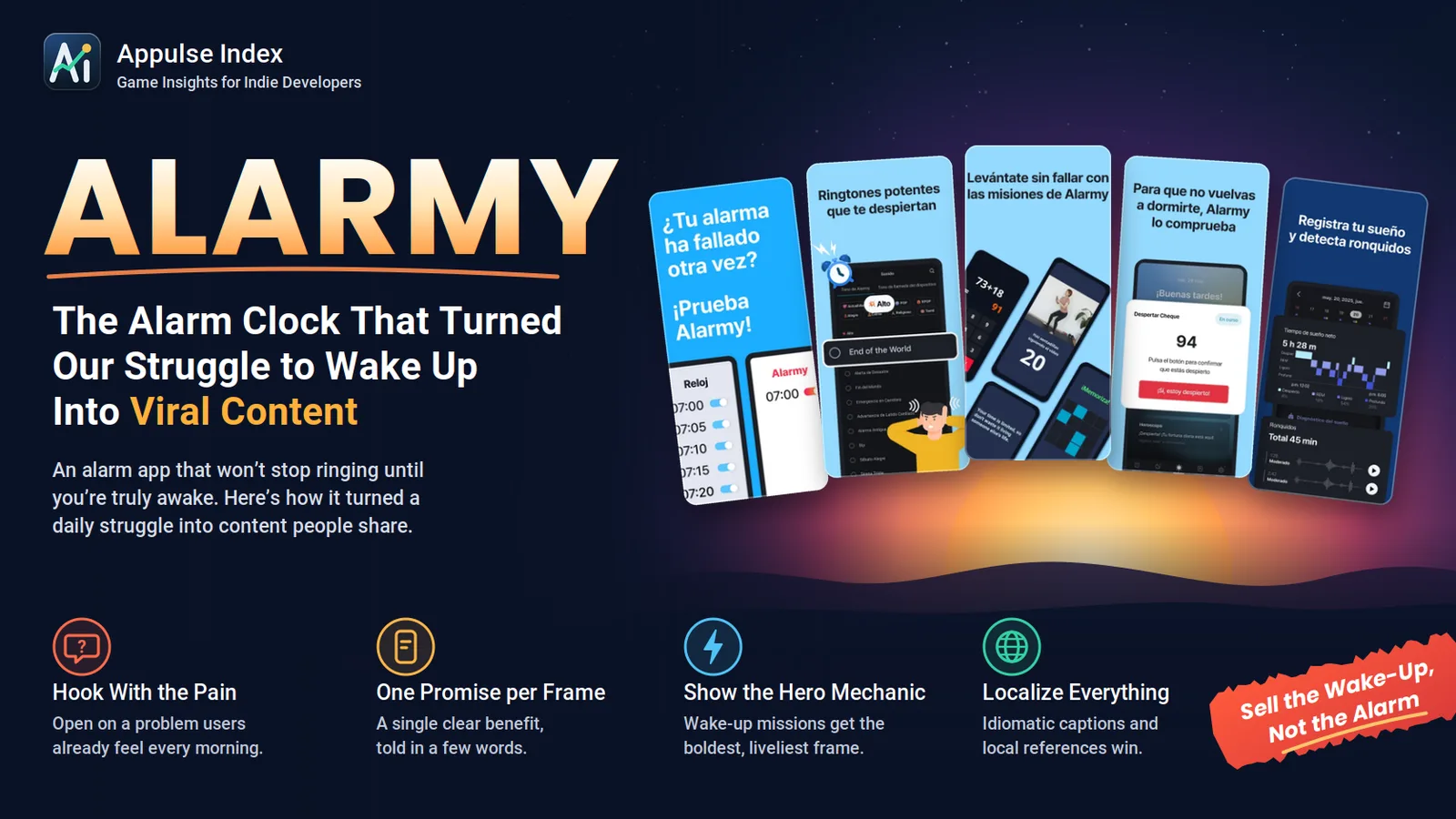
Imagine an alarm clock that people hate in the morning but can't stop watching on social media. ⏰
That's the interesting story behind Alarmy, a sleep and alarm app that turns waking up into a challenge. Instead of simply tapping a button to stop the sound, users might have to solve a maths problem, complete a memory game, or take a photo of a specific object.
But Alarmy's most interesting growth story isn't just about how the app works. It's about how people react to it.
Picture this: someone is fast asleep when the alarm starts ringing. They try to turn it off, but the app demands a maths answer. Still half asleep, they struggle to solve it. Then comes another mission. Their frustration becomes the entertainment.
Now imagine someone filming that moment and sharing it online.
One creator's video reportedly reached 37.2 million views on Instagram Reels. Another small page reportedly generated 40.4 million views with a video featuring her husband's experience with the alarm.
Suddenly, a simple utility app becomes the main character in a relatable, funny story.
The marketing lesson behind Alarmy
According to the creator campaign figures shared in the source material, Alarmy's creator strategy generated 212 million views, with creators reportedly paid $30 per video.
The clever part is the content itself. Instead of explaining features, creators show the problem the app solves. The alarm becomes the villain, the sleepy person becomes the hero, and the audience gets a funny, familiar experience.
People don't need a long explanation to understand the product. They see it in action.
There is also an important lesson in the numbers: viral reach can be unpredictable. A small account can outperform expectations, but millions of views concentrated among a few creators can create risk if that performance doesn't repeat.
What app founders can learn
Alarmy's story shows how a product's most frustrating feature can become its strongest marketing asset.
For app developers and founders, the question isn't always, "How do we get more people to download our app?"
Sometimes, it's this:
"What moment in our product would make someone want to share it with a friend?"
That moment could be surprising, funny, satisfying, or painfully relatable.
Build a product people remember. Then find the story that makes others care about it.
🚀 Sometimes, the best marketing campaign is already hidden inside the product itself.
Appulse Index explores the apps, product decisions, and growth strategies that founders and developers can learn from.
#AppulseIndex #Alarmy #AppMarketing #IndieHacking #MobileApps
More stories

🩸 What Indie Developers Can Learn From VAMPIR
🎮 Explore how VAMPIR combines dark fantasy, competitive gameplay, crafting, and a player-driven economy. Discover four product design lessons indie developers can use to build engaging games that keep players coming back.
· 2 min read
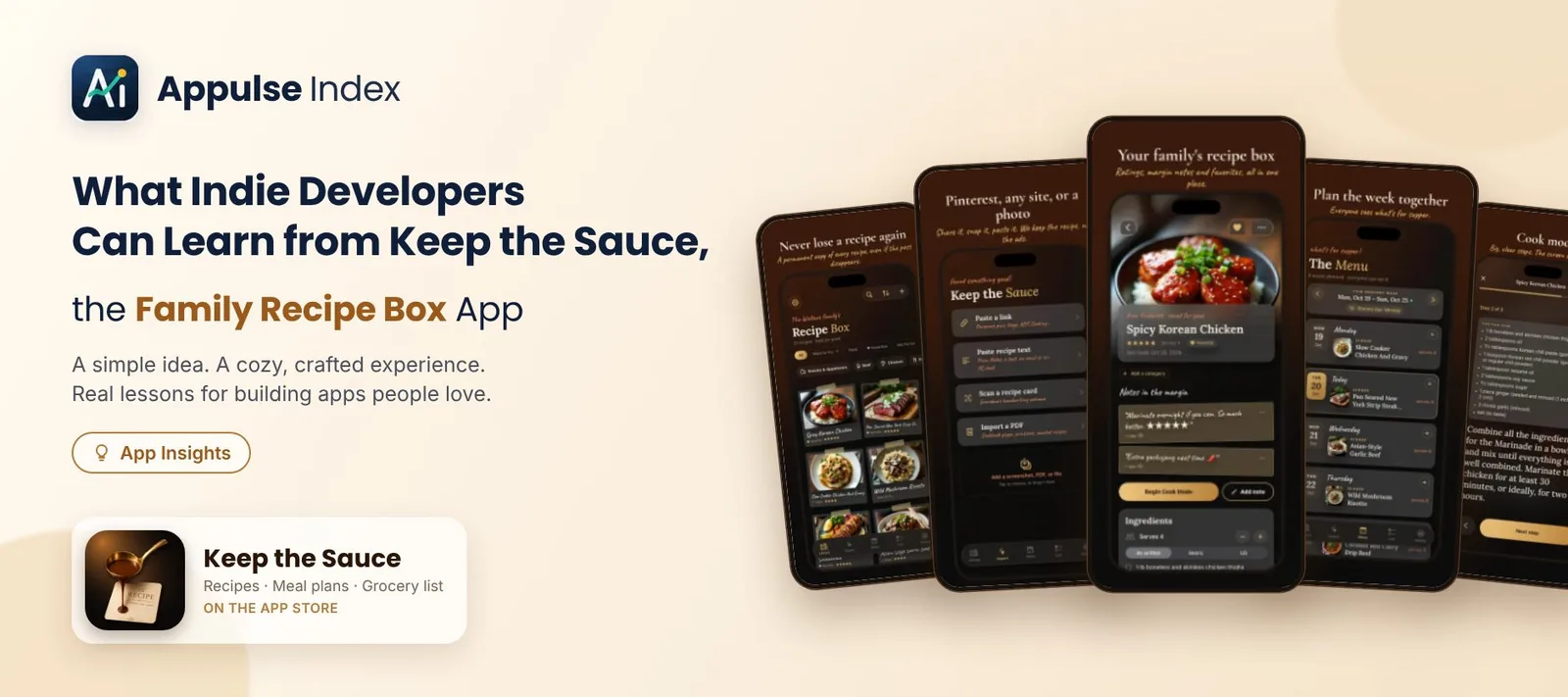
🍝 Keep the Sauce: A $4.99 Recipe App Worth Learning From
Keep the Sauce is a $4.99 iOS recipe app that reached #19 in the US paid charts. 🍝 With features like Pinterest recipe importing, ingredient scaling, and cooking timers, it shows how solving everyday problems can create a valuable paid app. 💡 Indie developers can learn to focus on specific user ne
· 2 min read
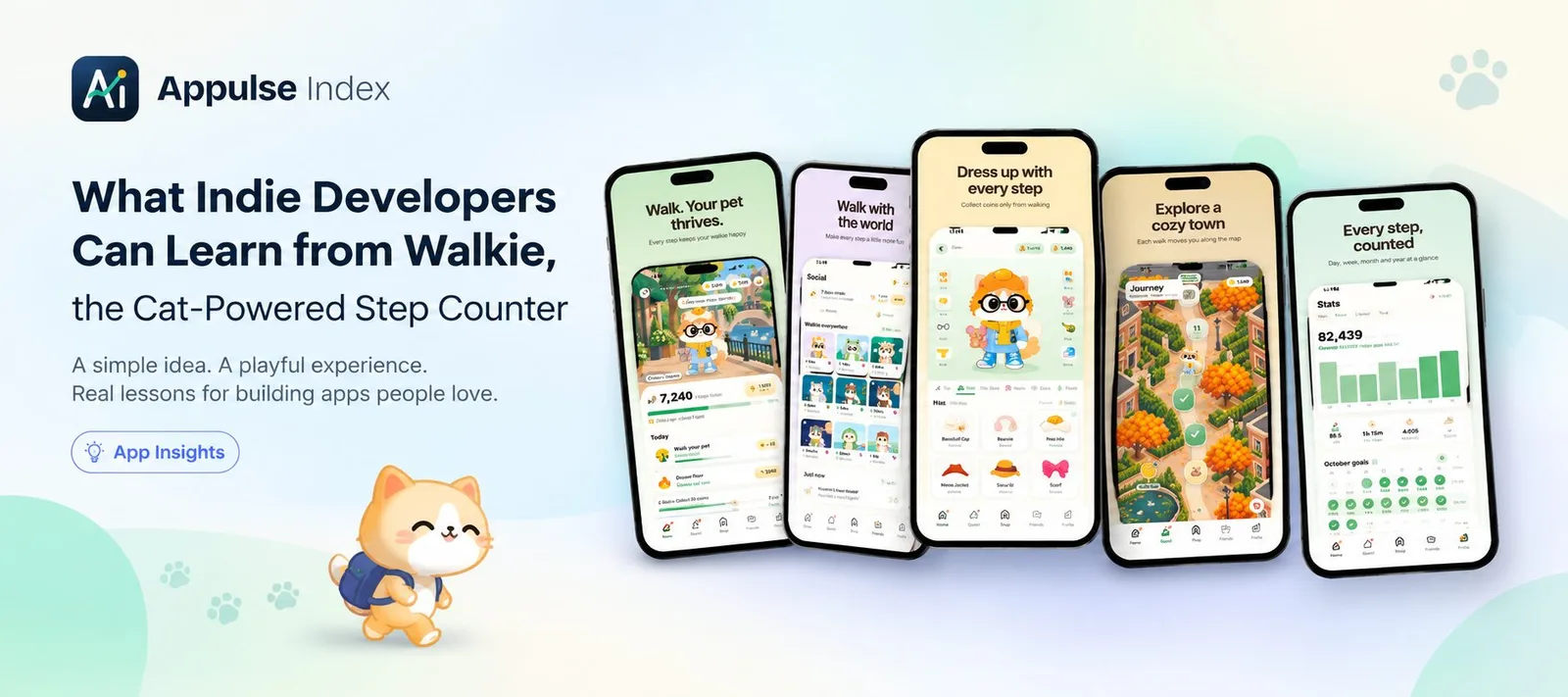
What Indie Developers Can Learn from Walkie, the Cat-Powered Step Counter
Walkie turns everyday step counting into a playful experience with a virtual cat, rewards, and daily challenges. Discover three lessons for indie developers on engagement, localization, and improving an app after launch.
· 2 min read
Comments
No comments yet.
Join the conversation: Sign in to like this story and leave a comment. Free account, no card needed.