
🚀 Two Apps, Two Revenue Streams: A Lesson in Building Small Products
An indie developer shares how two small apps, TinyPOS and Parallel, generated over $1,274 in verified revenue. A story about solving niche problems, experimenting with multiple products, and turning small ideas into sustainable businesses. 🚀
· 2 min read
Imagine spending months building apps, putting them out into the world, and wondering whether anyone will actually pay for them.
That's where many indie developers begin.
One developer recently shared a milestone that offers an interesting perspective on building independent software businesses. After launching two very different apps, the developer checked their TrustMRR dashboard and found something encouraging.
📊 The numbers behind the journey:
💰 $1,274 in total verified revenue
📈 $108 in monthly recurring revenue
🚀 $429 earned in the last 30 days, up 130%
📱 Two apps generating revenue
But the interesting part isn't just the numbers. It's what the two apps actually do.
Two different problems, two different products
🟢 TinyPOS is an offline-first point-of-sale solution designed for small businesses. It focuses on a practical need: helping businesses manage sales without depending entirely on an internet connection.
⚫ Parallel is a camera app built for content creators, serving an entirely different audience and use case.
One developer, two products, and two separate markets.
💡 What can indie developers learn?
There is a common belief that developers should find one big idea and put everything into it.
But this journey suggests another approach worth exploring.
1. Small problems can create real businesses.
You don't need to reinvent an industry. Solving a specific problem for a clearly defined audience can be enough to build a product people are willing to pay for.
2. Different products can create different opportunities.
Building multiple apps means experimenting with different audiences, pricing models, and product ideas. Not every experiment will work, but each can teach you something.
3. Shipping is only half the journey.
AI tools can help developers build faster, but finding users, understanding feedback, improving retention, and marketing the product remain essential challenges.
🌱 One big app or ten small apps?
The developer raised an interesting question: Would you rather build one app generating $1,000 MRR or ten apps generating $100 MRR each?
There isn't one universal answer. Multiple products can diversify revenue, but they also multiply maintenance, support, and marketing responsibilities.
The bigger lesson is simple: Don't just chase the next big idea. Look for small problems worth solving, ship something useful, and find out whether people will pay for it.
Sometimes, a sustainable software business starts with two small apps.
🔎 Explore the developer's TrustMRR profile on Appulse Index.
More stories

Simulon: What If You Could Bring Digital Characters Into the Real World? 🎬
Simulon brings digital assets into real-world scenes using Reality Aware Rendering. 🎬 Users can interact with virtual objects through their iPhone camera, then generate realistic scenes where digital assets respond to their surroundings and actions. A fascinating step forward for mobile creativity!
· 2 min read
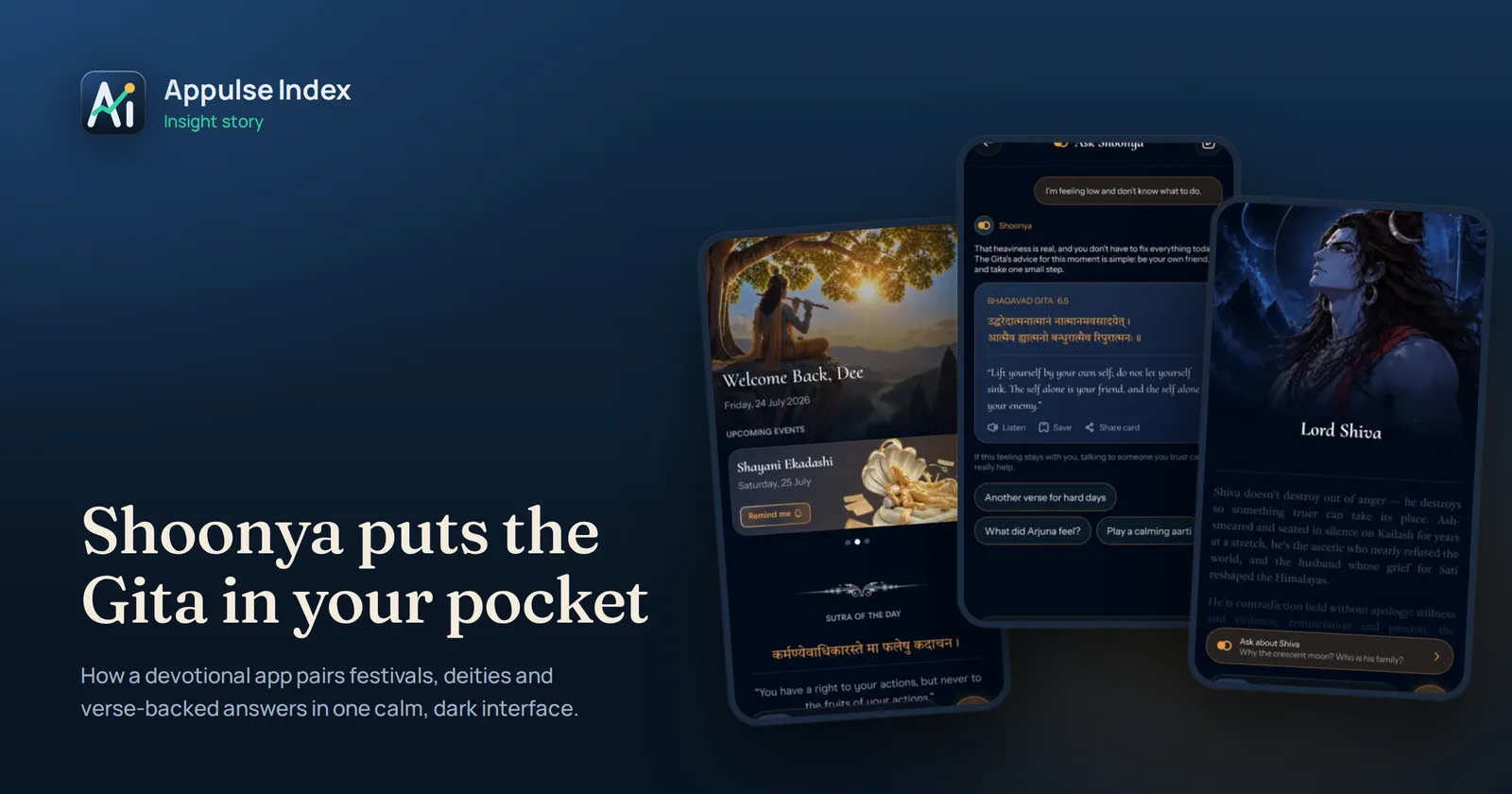
Shoonya Sutra: Bringing Sanatan Practice Into Everyday Life 🙏
Shoonya brings Sanatan traditions into everyday life through prayers, Gita verses, cultural stories, and guided spiritual journeys. 🙏🌿
· 1 min read
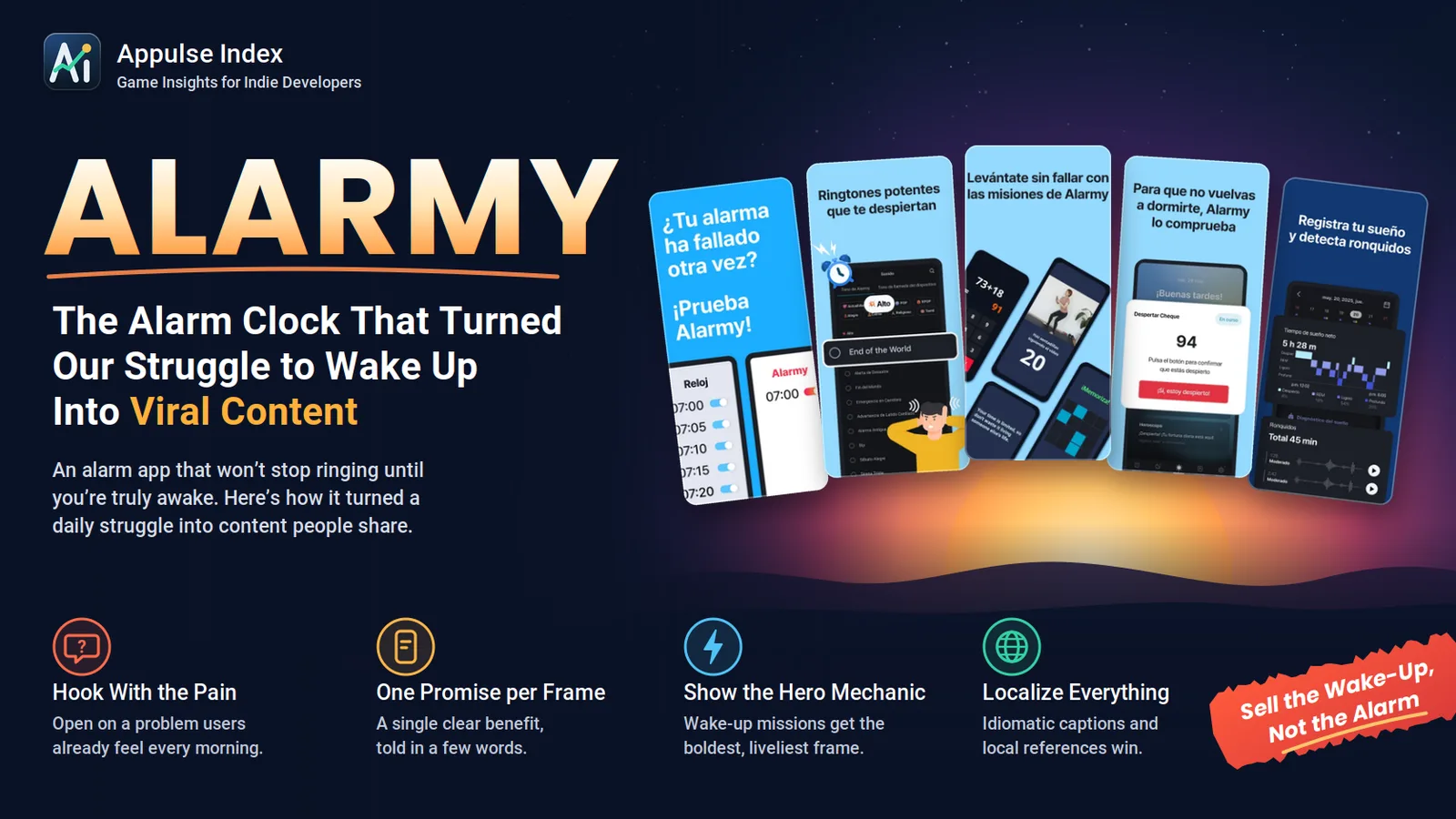
Alarmy: The Alarm Clock That Turned Our Struggle to Wake Up Into Viral Content
Alarmy turned the everyday struggle of waking up into a viral marketing strategy. By making users solve puzzles and complete missions to stop their alarms, the app created funny, relatable moments that creators could share. Reportedly generating 212 million views through creator campaigns.
· 2 min read
Comments
No comments yet.
Join the conversation: Sign in to like this story and leave a comment. Free account, no card needed.